- Teacher: System Administrator
Duriane LMS
Skip available courses
Available courses
Uninterruptible Power Supplies (UPS) are essential for protecting critical equipment from power disruptions and ensuring business continuity. However, selecting the right UPS requires careful planning to match your equipment's power needs.
The UPS Sizing Calculator by Security 4.0 Pte. Ltd. is a practical tool designed to simplify this process. Whether you're managing IT systems, networking gear, or essential office equipment, this calculator helps you determine the appropriate UPS size by following a structured, step-by-step approach.
From identifying power requirements and calculating apparent power to accounting for future expansion and runtime needs, this tool equips learners with the knowledge to confidently choose the right UPS for their setup. Accompanied by detailed examples and guidelines, the calculator ensures accurate and efficient UPS selection for any application.
This course will empower you with the knowledge and tools to calculate storage needs accurately, whether for a single camera or a large-scale surveillance setup. Learn to use both detailed and simplified formulas, including the groundbreaking Excel calculator developed by Security 4.0 Pte. Ltd., to make informed decisions about your CCTV systems.
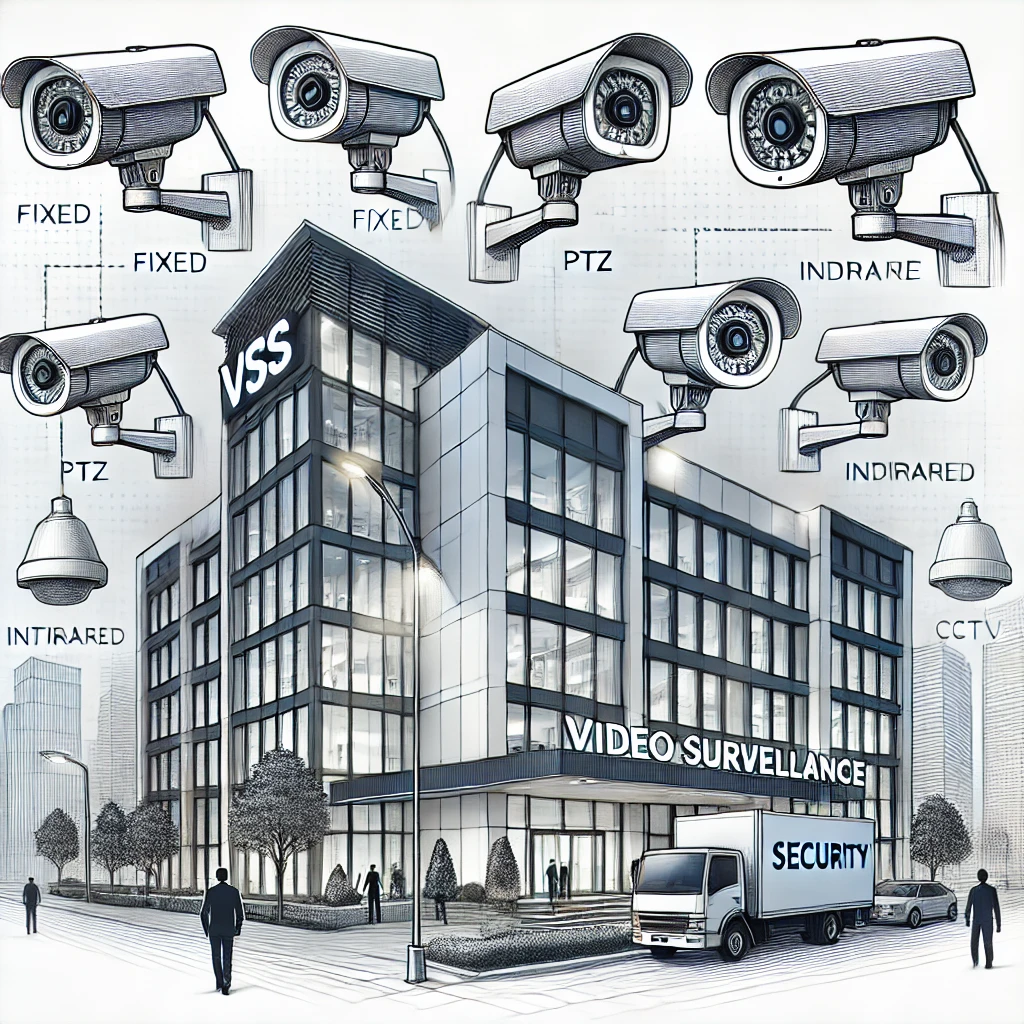
Part 2 of this training course provides an in-depth understanding of the Video Surveillance System (VSS) standards for buildings, focusing on the key principles, design considerations, and technical requirements essential for implementing an effective CCTV system. Participants will explore topics such as camera types and placement, lighting design, storage capacity, frame rates, metadata, playback features, and cybersecurity. The course emphasizes compliance with VSS standards, practical recommendations for system integration, and maintenance best practices. Through interactive learning, including real-world examples, multiple-choice questions, and illustrative diagrams, non-security personnel will gain the knowledge needed to support or oversee the design and operation of VSS in building environments.
"Video Surveillance System (VSS) Standards for Buildings Part 1" is a comprehensive course focused on essential CCTV system design and implementation as per the SPF’s VSS standards. It covers camera types, security lighting, image presentation, storage, cybersecurity, and integration, emphasizing operational effectiveness and compliance to enhance building safety and security management.
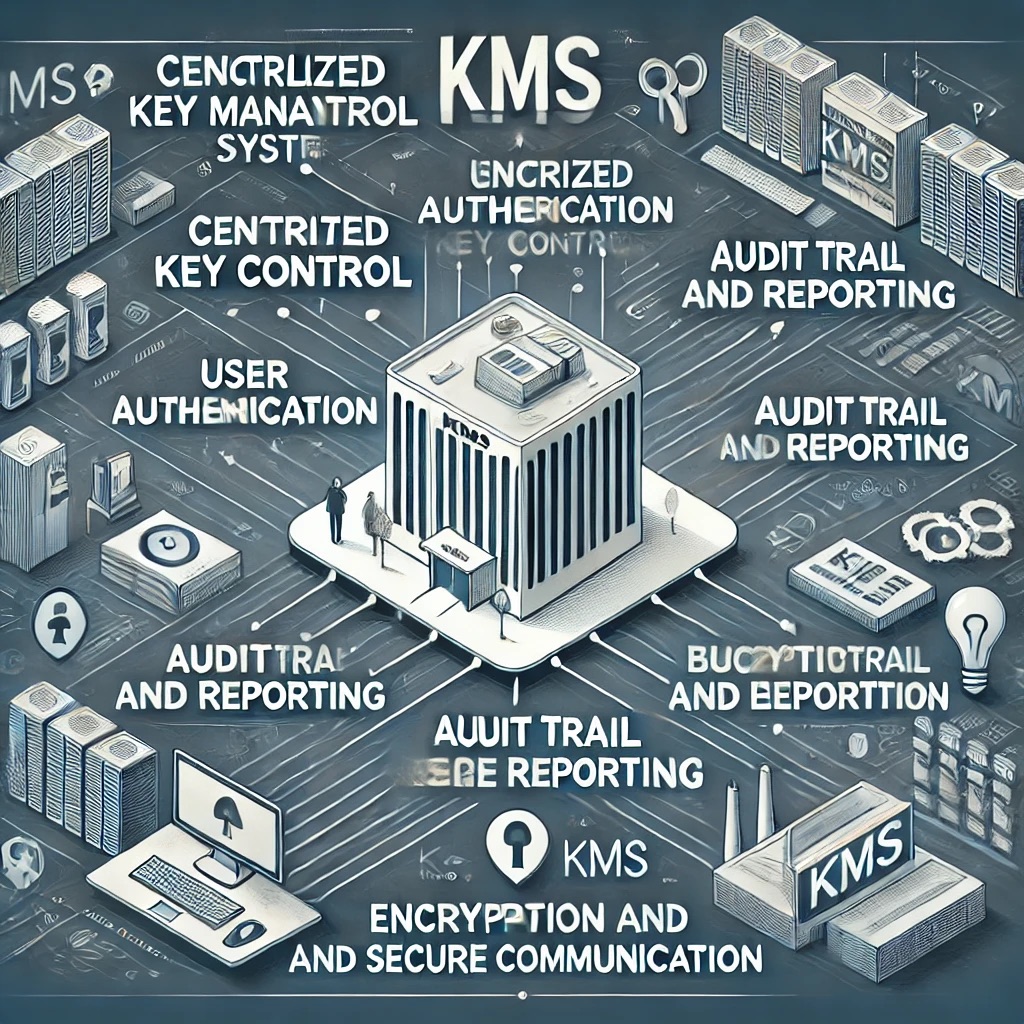
This course provides a comprehensive understanding of Key Management Systems (KMS) and their critical role in securing environments such as data centers, hospitals, and banks. Participants will explore 15 essential features of KMS, including Centralized Key Control, User Authentication, Audit Trail and Reporting, Biometric Authentication, and Encryption and Secure Communication. The course also covers best practices in implementing these features and highlights popular KMS brands in Singapore and Asia. Through real-world examples and practical insights, learners will gain the knowledge needed to enhance security and compliance in critical environments.
This content equips participants with essential knowledge to specify, review, and propose video analytics systems for data centres, covering a wide range of features including Motion Detection, Facial Recognition, License Plate Recognition, and Perimeter Protection. Learners will gain knowledge in system recommendation, configuration, and integration, as well as in developing maintenance schedules. The content also includes comments and remarks on how to critically review video analytics specifications and provide constructive feedback. Comments and real-world best practices will help participants ensure robust and compliant security measures are in place.
Participants will learn how a Security Consultant reviews given video analytics specifications and provides inputs based on the "Technical Reference for Video Analytics within Video Surveillance System, Parts 1 and 2, TR 69: 2019," GEBSS, VSS Standards for Buildings, and market best practices for technical specifications. This approach ensures that participants can implement video analytics systems that meet industry standards and achieve the highest quality and performance.
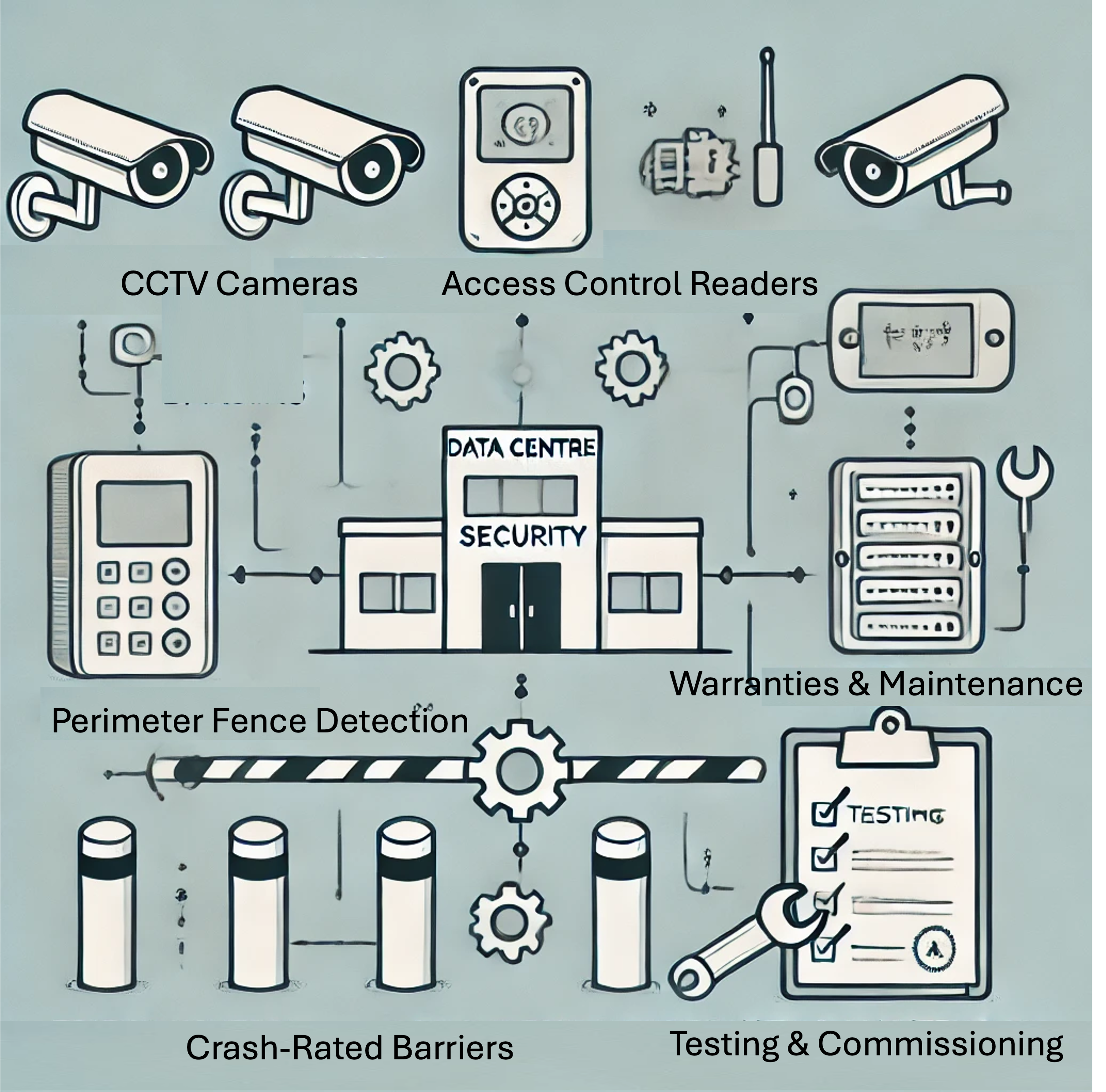
This content equips participants with essential knowledge to specify, review, and propose security systems for data centres, covering, but not limited to, CCTV, Access Control, Crash Rated Barriers, Testing & Commissioning, and Warranty & Maintenance. Learners will gain knowledge in system recommendation, configuration, and integration, as well as in developing maintenance schedules. The content also includes comments and remarks on how to critically review security system specifications and provide constructive feedback. Comments and real-world best practices will help participants ensure robust and compliant security measures are in place.
Participants will learn how a Security Consultant reviews given specifications and provides inputs based on GEBSS and VSS guidelines, as well as market best practices for technical specifications. This approach ensures that participants can implement security systems that meet industry standards and achieve the highest quality and performance.
This course provides an in-depth understanding of fail-safe and fail-secure system designs, crucial for enhancing safety and security in various environments. Participants will learn the principles and applications of both systems, including their operation during power failures. Through real-world examples and practical exercises, attendees will explore the appropriate use cases for fail-safe and fail-secure locks, and how to integrate them into comprehensive security strategies.
Ideal for security professionals, consultants, facility managers, and engineers, this course equips learners with the knowledge to design and implement effective safety and security solutions.
This course provides comprehensive knowledge on the critical aspects of testing and warranty management for security systems. Participants will explore various testing types, including Factory Acceptance Testing (FAT), Site Acceptance Testing (SAT), and Reliability Testing, to ensure system functionality and reliability. The course also delves into best practices for managing warranties, covering warranty duration, terms, and Service Level Agreements (SLAs). Through real-world examples and market practices, learners will gain the skills necessary to implement thorough testing plans and manage warranties effectively, ensuring long-term system performance and minimizing downtime.